Incredible Science Facts: Parrotfish, Glass, and Cancer Cures
When night falls on the coral reef, some parrotfish perform one of the ocean’s most unusual bedtime rituals.
Before settling in to sleep, they release a special mucus from glands near their head, slowly wrapping their entire body in a clear, bubble-like cocoon.
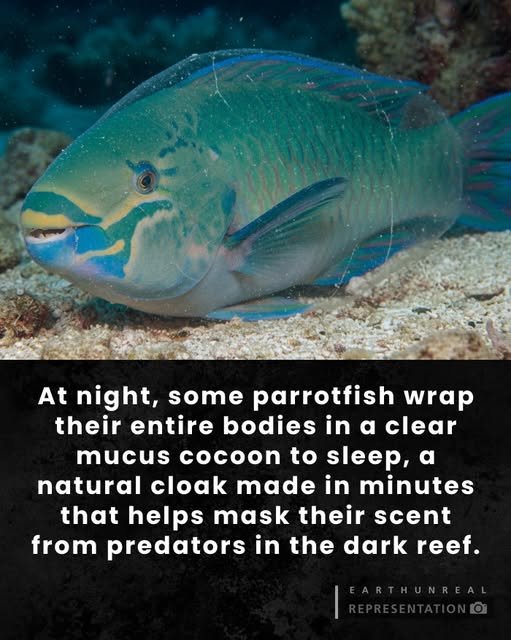
This natural cloak forms in just minutes and hardens slightly in seawater. Scientists believe the cocoon helps mask the fish’s scent, making it far harder for nocturnal predators like moray eels and reef sharks to track them by smell.
It may also act as a physical barrier, reducing bites from parasites while the fish rests.
Not all parrotfish use this strategy, and even those that do may skip it depending on their environment and risk level.
No teeth. No spikes. Just a fish, disappearing into a veil of chemistry until morning.
D2
What if waste could live forever… without losing value?
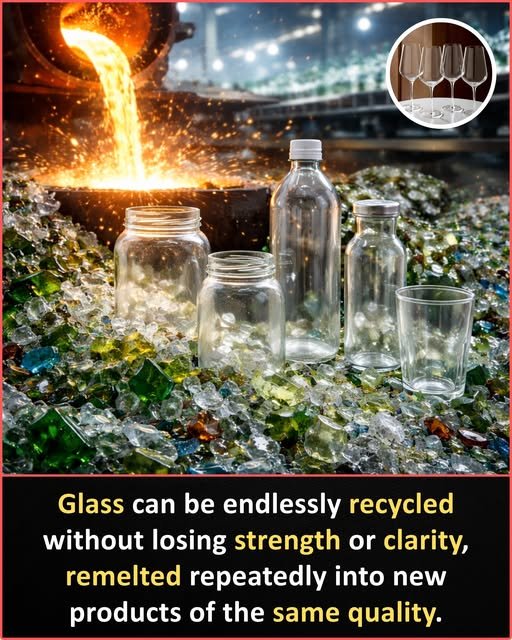
Glass is one of the rare materials on Earth that can be recycled endlessly without losing strength or clarity. Every time it’s melted down, it emerges just as pure and durable as before—ready to become a new bottle, jar, or glass.
Unlike many materials that weaken with reuse, glass keeps its quality intact through infinite cycles. This makes it a powerful ally in reducing waste, saving energy, and protecting resources.
A simple reminder that sustainability isn’t always about invention—sometimes, nature already gave us the perfect solution.
D3
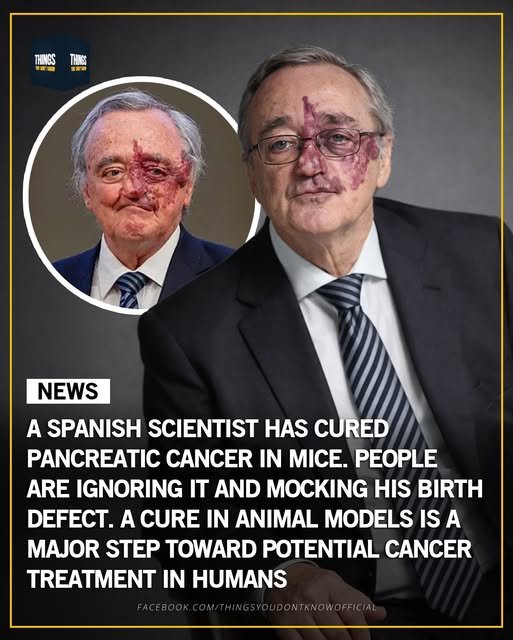
A Spanish scientist have cured pancreatic cancer in mice. The most deadly cancer out there. People ignoring it and making fun of his birth defect.
The work was led by Mariano Barbacid at the Spanish National Cancer Research Centre and targets the genetic mechanisms that make pancreatic tumors so aggressive and resistant to treatment.
A cure in animal models is a huge step closer to a possible cancer treatment in humans.
Thank you, Dr. Mariano Barbacid!