
Wild Animals: A Hunter, A Hoax, and A Human Experiment
A serval cat slips through the tall grass as the sky lightens. It is dawn on the African plains and the air is cool and soft. The world wakes slowly, and the serval moves with care. Its coat blends with the brown and gold of the grass, making it look like a living shadow.
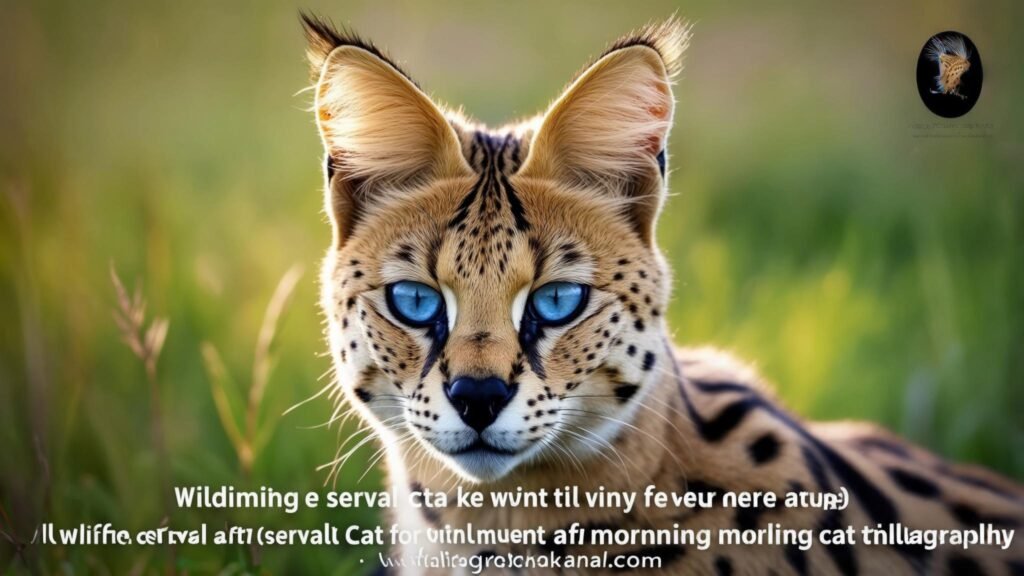
It springs and pauses, every motion quick and sure. Long legs coil like a spring, then push off in a smooth jump. Ears prick up at every tiny sound. Eyes lock on a rustle in the grass. It moves quietly but with fierce purpose, a small hunter in a wide, quiet land.
As the sun rises, the serval melts back into the grass after the hunt, calm and ready for the next moment. Watching it feels like watching a secret of the wild unfold. The scene is simple and strong: a lone cat, the open grasslands, and the soft light of a new day.
Panic at the School: A Suspected Wild Animals Sighting
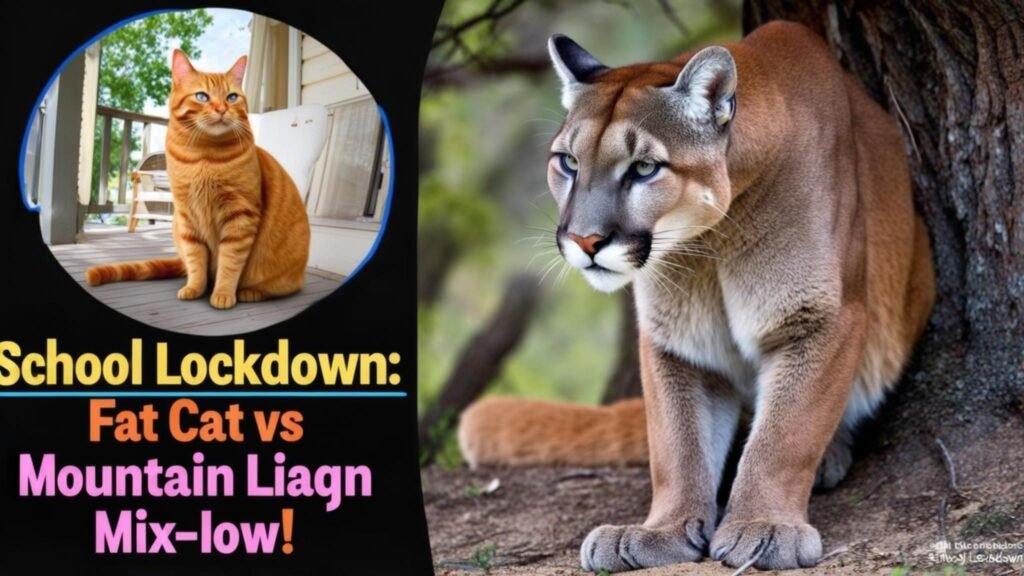
People at a school were scared when someone thought they saw a mountain lion nearby. Teachers quickly moved students into classrooms and locked doors to keep everyone safe. Parents were called, and the building felt tense as staff waited for the animal control officers to arrive.
After a short search, officers found that the big, scary animal was not a wild cat at all. It was a large, well-fed house cat wandering near the school. Once people realized the truth, the fear turned into relief and a few laughs. The small, chubby cat was safely picked up, and no one was hurt.
The whole event showed how quickly people can react to protect children, and how careful steps matter in an emergency. It also reminded neighbors to keep an eye on loose pets and to double-check before assuming the worst. In the end, the day ended safely, with a funny story to tell about the time a “mountain lion” shut down a school—only to be a fat cat.
Nature vs. Nurture | The Experiment of Raising Wild Animals with Human Children
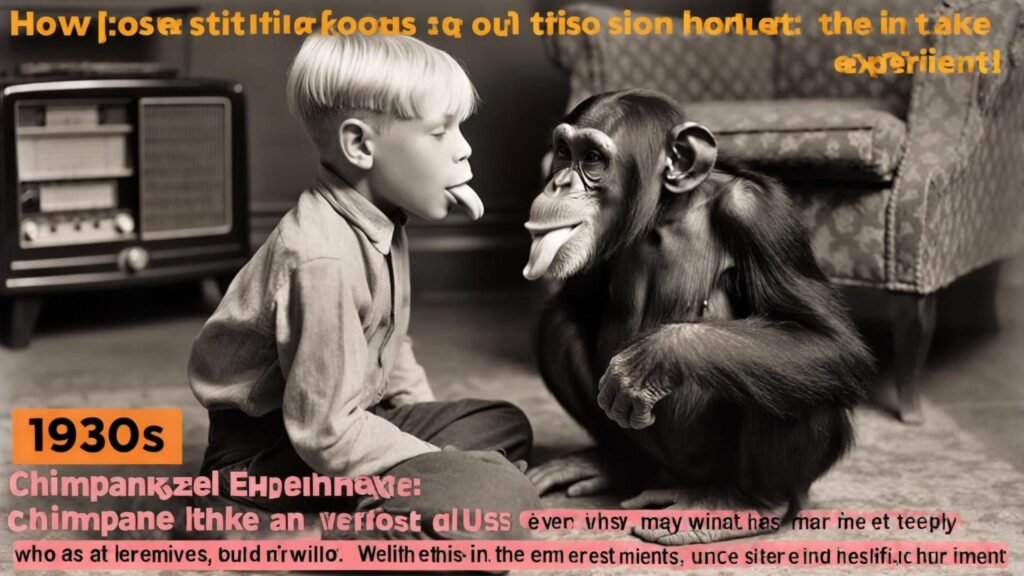
In the 1930s, a group of scientists tried a strange experiment. They put a young chimp and a human baby in the same home and raised them together. The idea was to watch how each one grew and to see how much of behavior came from nature versus the things around them.
As they lived together, the baby began to copy the chimp. He started to eat, play, and move in ways more like the animal than other children. The chimp learned some human habits too, but it was clear the child was changing in surprising ways. After some time the experiment stopped because the changes worried the scientists and the family.
This story shows how powerful the environment can be for a child’s development, but it also raises questions about right and wrong. Today people look back and see this kind of experiment as harmful. Still, it taught scientists that both upbringing and biology shape how we act, and it helped start better rules about how children and animals should be treated in research.