
Is the Brain Quantum? Quantum Brain Theory Explained
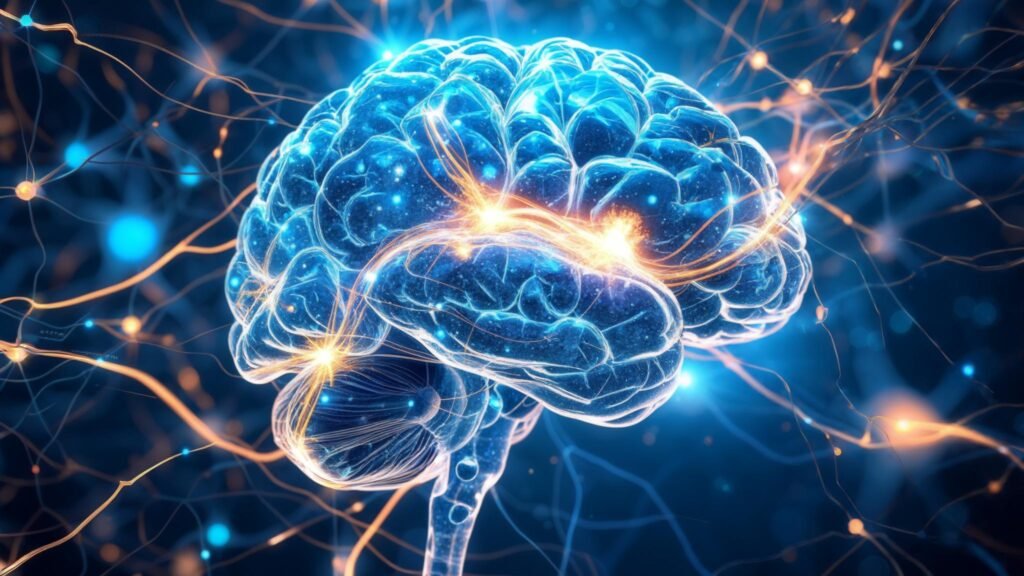
A new scientific study proposes that the human brain might use quantum processes to process information at extraordinary speed. Researchers found that certain protein networks inside neurons, particularly those rich in the amino acid tryptophan, behave in ways similar to quantum systems. These proteins appear capable of a phenomenon known as superradiance, where groups of molecules act together to transfer energy more efficiently than any single molecule could. This cooperative behavior may help brain cells exchange information faster than traditional nerve signaling alone can explain.
The theory suggests that these tryptophan-rich proteins could allow quantum-like effects to influence how neurons communicate and organize thoughts. If this is true, the brain might operate partly on quantum principles—enabling rapid and complex data processing beyond what classical biology predicts. These interactions could occur inside microstructures that maintain delicate energy states long enough to perform short bursts of quantum-level activity.
While the idea remains speculative, it opens a fascinating new view of human cognition. Quantum behavior in living tissue has always seemed unlikely because biological systems are warm and noisy, unlike the ultra-cold environments used for quantum computers. Yet if the brain can sustain these effects even briefly, it could explain aspects of perception, memory, and consciousness that remain mysterious. The findings encourage further exploration of how quantum mechanics might play a hidden role in the most advanced processor known—the human brain.