
The Secret Life of Toxoplasma gondii Cysts in the Brain
A “dormant” brain parasite may be secretly active in millions of people.
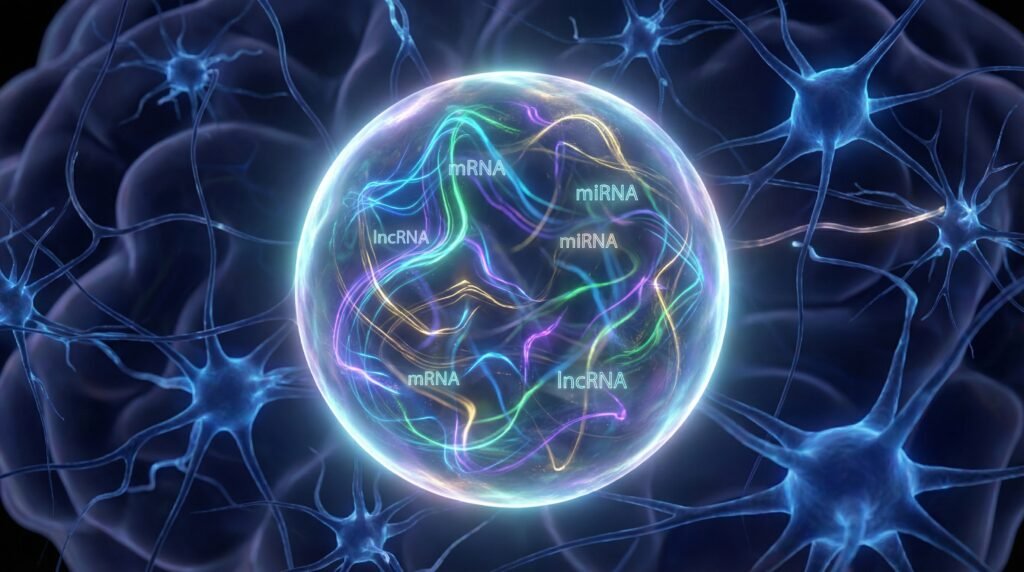
A common brain parasite that infects more than a third of the global population may be far more active than scientists once believed. Toxoplasma gondii, which reproduces in cats and often infects humans through contact with cat feces or undercooked meat, typically causes no obvious symptoms. Once inside the body, however, it forms cysts in tissues such as the brain, heart, and muscles, where it was long thought to lie mostly dormant for life. New research from the University of California, Riverside, using single-cell RNA sequencing in mice, reveals that these cysts actually contain multiple subtypes of the parasite, each growing and behaving differently. Some forms even appear to edge toward reactivation, suggesting that the cyst is not a quiet hiding place but an active hub of parasite activity.
This finding has important implications for toxoplasmosis, the disease caused by T. gondii, which can trigger flu-like illness, psychiatric symptoms, seizures, or vision problems, particularly in people with weakened immune systems. Current treatments struggle to fully clear the infection, in part because they must target both active parasites and their so‑called dormant cyst forms. By identifying distinct parasite subtypes within cysts and pinpointing which are most likely to reactivate, the new study helps explain why previous drug development efforts have often fallen short and suggests more precise targets for future therapies. The researchers argue that the parasite’s life cycle is more complex than a simple stepwise progression, and that truly effective treatments will need to focus on the cyst as the central control point of infection.
References (APA style)
Cassella, C. (2026, January 30). A brain parasite infecting millions is far less sleepy than we thought. *ScienceAlert*.
Wilson, E. H., et al. (2026). Hidden diversity inside tissue cysts of the common brain parasite *Toxoplasma gondii*. *Nature Communications*.