
Surprising Science Facts | Music often triggers
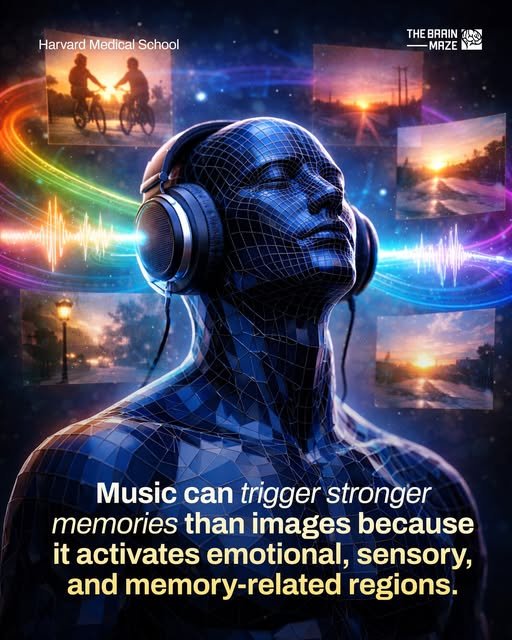
Music often triggers more detailed, emotional, and vivid personal memories than visual cues because it activates multiple brain regions at once, including those responsible for emotion, memory, and sensory processing.
When we hear a familiar song, the brain rapidly links sound patterns with past experiences, emotions, and even physical sensations tied to a specific moment in time.
Unlike images, which are processed more narrowly through visual pathways, music directly engages the limbic system, where emotional memory is stored.
This is why a song can suddenly bring back the feeling of a place, a person, or a period of life with striking intensity.
Research from Harvard Medical School has shown that music has a unique ability to evoke autobiographical memories that are richer and more emotionally charged than those triggered by other stimuli.

 New study links daily Brie and cheddar to surprisingly lower dementia risk
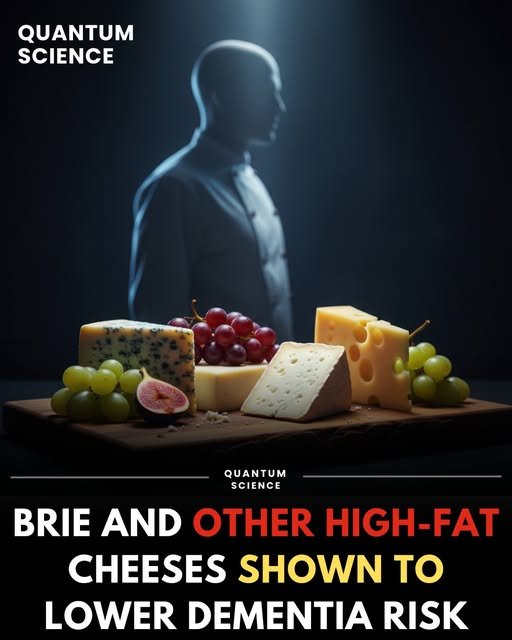
Research published in Neurology suggests that regularly eating high-fat cheeses and creams may be linked to a lower risk of developing dementia.
In a long-term Swedish study of 27,670 adults with an average starting age of 58, participants recorded their food intake for a week and discussed cooking methods with researchers, then were followed for about 25 years.
Those who consumed at least 50 grams per day of high-fat cheese—such as cheddar, Brie, or Gouda—had a 13 percent lower risk of dementia than people who ate less than 15 grams daily. The study also found that people who consumed 20 grams or more of high-fat cream each day had a 16 percent lower dementia risk, while no similar associations were seen for low-fat dairy products, milk, butter, or fermented milk.
When specific dementia types were examined, higher high-fat cheese intake was associated with a 29 percent lower risk of vascular dementia and a lower risk of Alzheimer’s disease in people without the APOE e4 gene variant, a known genetic risk factor for Alzheimer’s. However, the researchers caution that the findings are observational and based solely on a Swedish population, where cheese is often eaten uncooked and within a different healthcare and lifestyle context than, for example, the United States. Factors such as universal health coverage, overall diet quality, and broader socioeconomic conditions may influence outcomes, and the results may not generalize globally. The authors stress that “not all dairy is equal” for brain health and call for more research before recommending people load up on high-fat cheese and cream as a dementia-prevention strategy.
What are your thoughts on this research? Does this finding surprise you?
Disclaimer: This content is for informational and educational purposes only.
Can Dolphins Sense Pregnancy? Science Explained
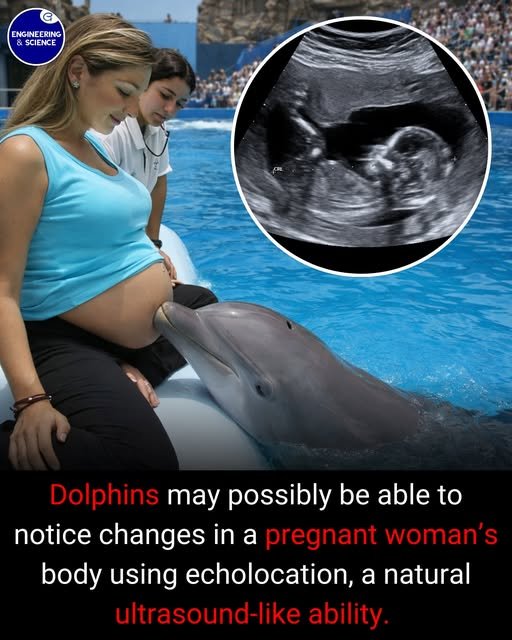
Scientists believe dolphins may have an incredible hidden ability that they could possibly detect a pregnant woman’s unborn baby using sound. Dolphins use echolocation, a natural sonar system where they send out high-pitched sounds and listen to the echoes that bounce back. Interestingly, doctors use a very similar method, ultrasound to see a baby inside the womb.
Experts say this makes the idea scientifically plausible. According to researchers, dolphins are extremely skilled at reading sound echoes and can recognize shapes, sizes, and even movements inside objects. Some scientists think dolphins swimming near pregnant women might notice changes in the body’s “echo pattern,” allowing them to sense that a fetus is present.
There have also been many anecdotal reports over the years. People claim dolphins sometimes swim close to pregnant women and make buzzing sounds near their stomachs.
This buzzing is a focused form of echolocation dolphins use when they want to examine something closely. While these stories are fascinating, scientists stress that they are not proof.
Studies have already shown that dolphins can identify objects hidden behind solid barriers, which strengthens the theory. Water is also the perfect medium for sound waves, making echolocation even more powerful underwater.
However, experts are careful to say that even if dolphins can detect a fetus, it doesn’t mean they understand it’s a human baby.
Researchers agree on one thing: dolphins are far more intelligent and perceptive than we once believed. Still, scientists say controlled studies are needed before making any definite claims.
So, can dolphins really “see” unborn babies? Science says maybe but it’s not proven yet. What’s clear is that these animals continue to amaze us in ways we’re only beginning to understand.
#Dolphins #AnimalIntelligence #ScienceFacts #NatureMysteries #Echolocation #AmazingAnimals #DidYouKnow #OceanLife