
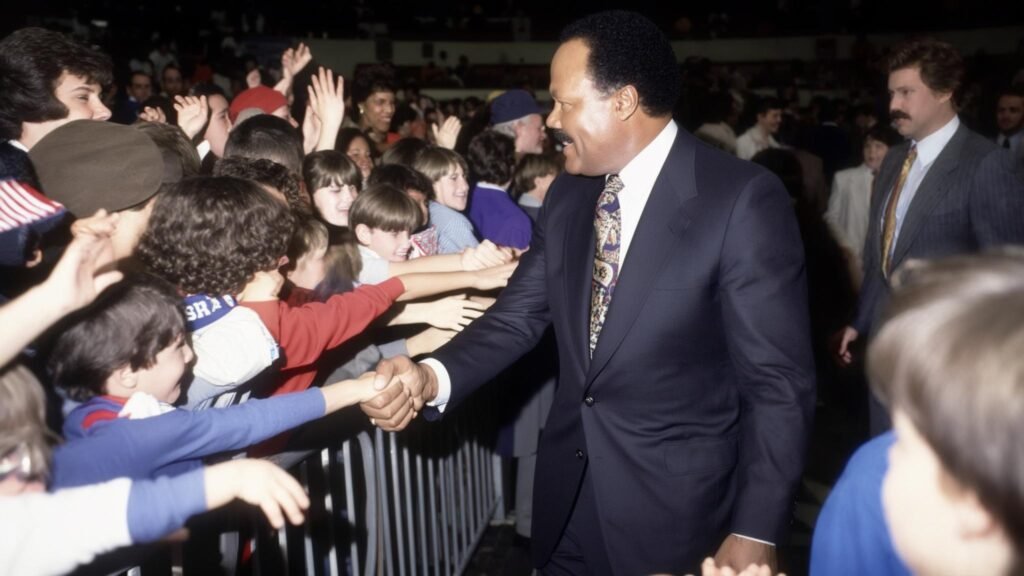
Jesse Jackson Legacy: The Architect of Modern Civil Rights
The Blueprint of a Trailblazer: The Defining Eras of Rev. Jesse Jackson
To understand the Reverend Jesse Jackson is to understand a man who refused to wait for permission to lead. His life was not a series of accidents but a deliberate, strategic assault on the barriers that kept Black Americans and marginalized people from the “table of abundance.”
The Strategy: Economic Selective Patronage & Political Math
Jackson’s greatest “data point” was his understanding that power responds to two things: the dollar and the ballot. He didn’t just ask for equality; he engineered it using specific, replicable strategies.
1. Operation Breadbasket & PUSH (1966–1971)
Appointed by Dr. King to lead the economic arm of the SCLC in Chicago, Jackson utilized “Selective Patronage.” * The Tactic: He organized Black communities to boycott businesses that took Black money but refused to hire Black workers or use Black contractors.
- The Result: Within one year, he forced over 40 companies to hire thousands of Black employees. This was the birth of the “Covenant” system—written agreements ensuring that a percentage of corporate revenue was reinvested into the Black community through jobs, insurance, and banking.
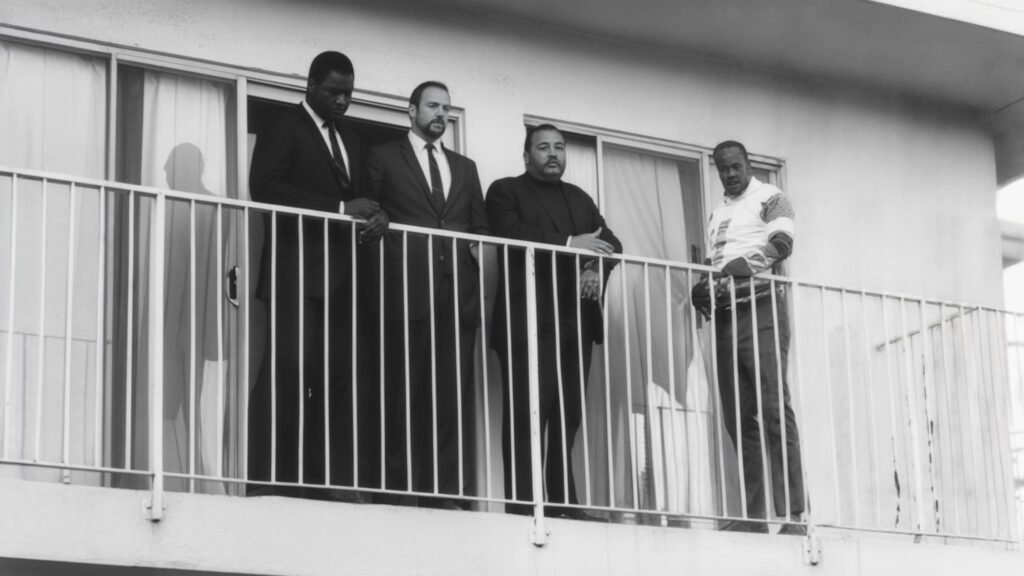
2. The Rainbow Strategy (1984–1988)
Jackson’s presidential runs were more than symbolic; they were a masterclass in coalition building. He proved that the “disenfranchised” were actually a majority if they stood together.
- Expanding the Base: He unified the “rejected”—working-class Whites, Latinos, Native Americans, LGBTQ+ individuals, and family farmers.
- Structural Coup: His most lasting achievement was forcing the Democratic Party to adopt proportional representation. By ending “winner-take-all” rules in primaries, he ensured that grassroots candidates could accumulate enough power to challenge the establishment.
“Without Jesse Jackson’s rule changes, there would have been no Barack Obama in 2008 and no Kamala Harris in 2024. He didn’t just run; he rebuilt the track so others could win.”
The Timeline of Achievement: A Global Legacy
Jackson’s work extended far beyond the U.S. borders, proving that civil rights were human rights.
| Year | Location | Achievement | Impact |
| 1960 | Greenville, SC | The “Greenville Eight” Library Sit-in | His first arrest; desegregated the city library. |
| 1967 | Chicago, IL | National Director, Operation Breadbasket | Secured over 8,000 jobs for Black workers in a single year. |
| 1984 | Syria | Negotiated release of Lt. Robert Goodman | Rescued an American pilot when the U.S. government could not. |
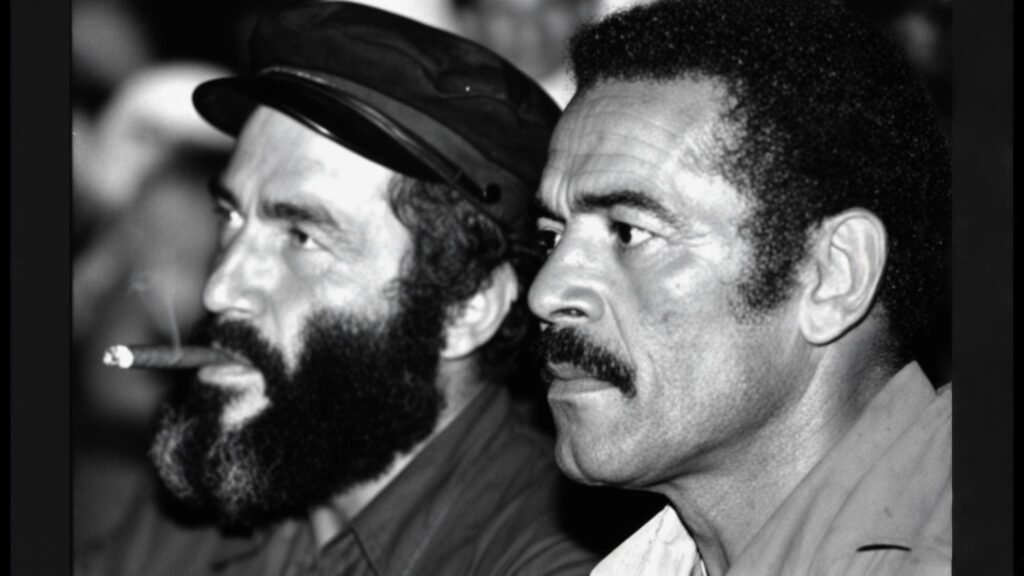
| 1984 | Cuba | Release of 48 Political Prisoners | Negotiated directly with Fidel Castro to free Americans and Cubans. |
| 1990 | Iraq/Kuwait | Released “Human Shields” | Freed hundreds of foreigners held by Saddam Hussein. |
| 1999 | Yugoslavia | Freed 3 U.S. Soldiers | Negotiated with Slobodan Milošević during the Kosovo conflict. |
| 2000 | Washington, D.C. | Presidential Medal of Freedom | Received the nation’s highest civilian honor from President Clinton. |
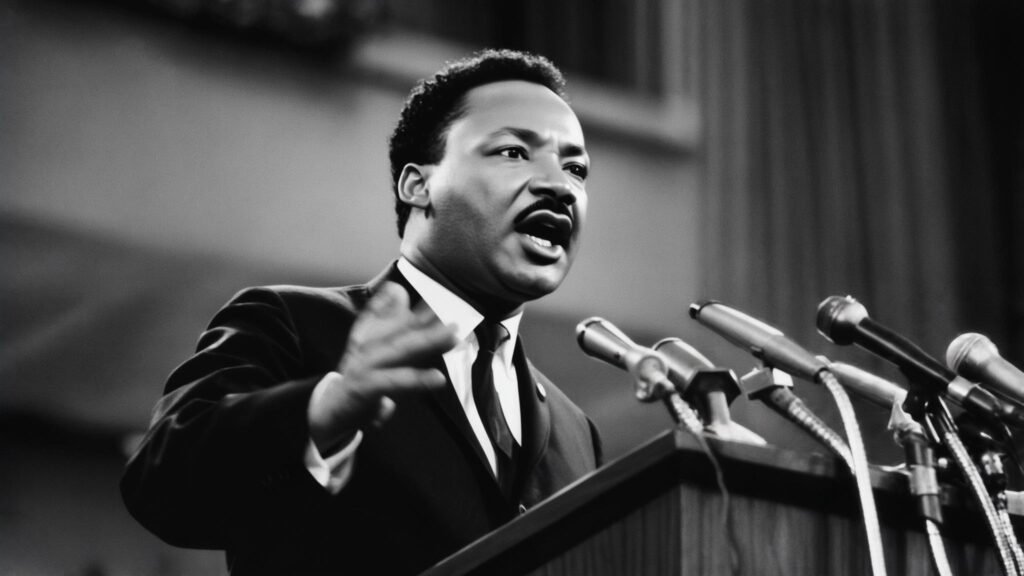
Lessons for Today: What We Can Learn
Today’s world, often fractured and cynical, can look to Jackson’s life for three essential truths:
- The “Shadow” is a Position of Power: Jackson served as a “Shadow Senator” for D.C. for years. He taught that you don’t need a formal title to perform the work of a statesman.
- Build the Rainbow Before the Storm: His Rainbow Coalition was built on the idea of pre-emptive unity. We learn that progress is strongest when we find the common thread between the urban worker and the rural farmer.
- Ownership is the Final Frontier: Through his “Wall Street Project,” Jackson pushed for Black representation in the highest levels of finance. He taught that political freedom is hollow without economic equity.
Keeping the Hope Alive
Jesse Jackson’s life reminds us that a “nobody” from a small house in Greenville can become a “somebody” who moves mountains. He didn’t just witness the dream; he built the infrastructure for it to survive. As he stood with tears in his eyes in Grant Park in 2008, those tears weren’t for a man—they were for a movement that finally saw its “pathfinder” reach the summit.