
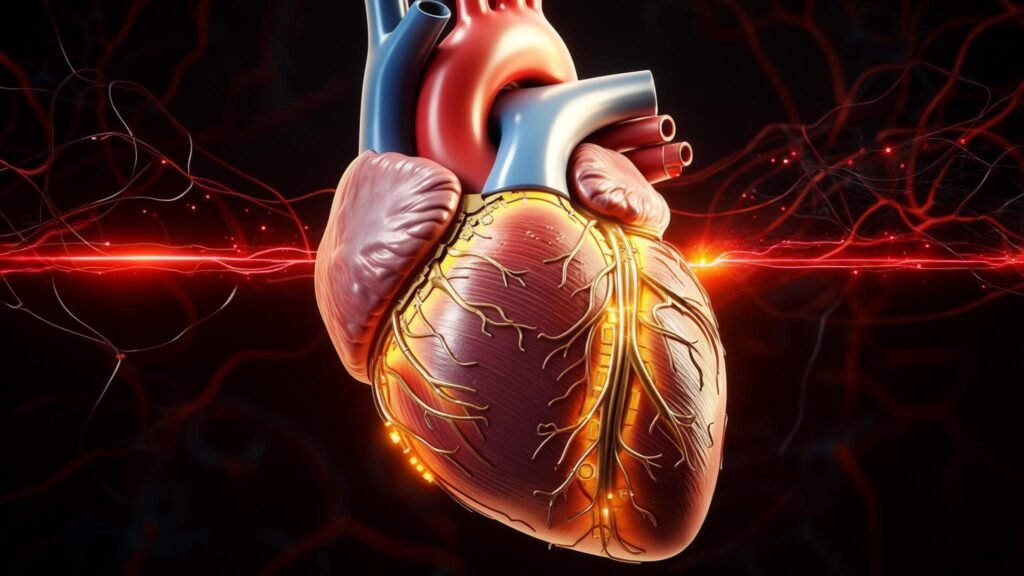
How the Human Heart Works | Vital Statistics
The human heart performs a staggering 100,000 beats daily, making it the body’s most tireless engine.
Every single day, your heart works tirelessly behind the scenes, pulsing approximately 100,000 times to circulate oxygenated blood through a vast network of vessels. This rhythmic engine never takes a break, completing roughly 35 million beats every year. When viewed across an average lifespan, this vital organ performs a staggering 2.5 billion beats, showcasing an unmatched level of biological endurance and efficiency that supports every breath and movement we make.
Maintaining this biological powerhouse is essential for long-term longevity, as the heart’s workload is both immense and constant. Factors like consistent cardiovascular exercise, a balanced diet, and proactive stress management play crucial roles in ensuring the heart continues to function optimally throughout these billions of cycles. By appreciating the sheer scale of the heart’s labor, we can better understand the importance of heart-healthy habits in preserving our most critical life-sustaining muscle.
source: American Heart Association. (2023). Heart health basics: Vital statistics for a lifetime. Circulation Journal Publications.