
Microplastic Cleanup: New Robot Fish Innovations | 2026 Tech
Cleaning the ocean without touching it.
Researchers in United Kingdom have developed a bio inspired robot fish designed to swim through oceans and collect microplastics.
Created by scientists at University of Surrey, the robot mimics real fish movements, allowing it to move efficiently through water while capturing tiny plastic particles that are nearly impossible to remove with traditional cleanup methods.
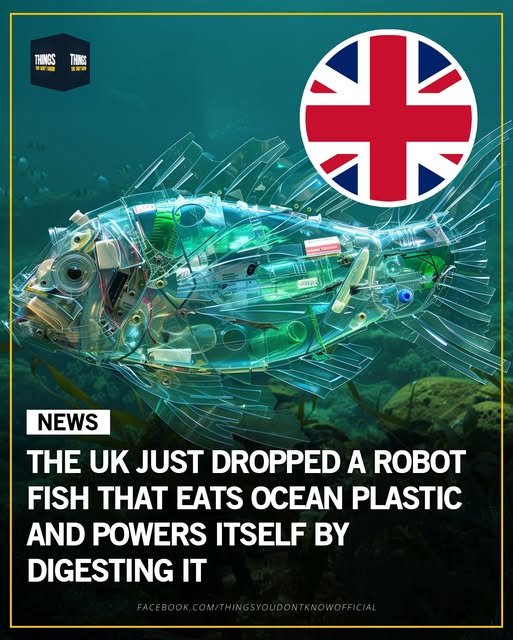
Instead of relying on batteries or external power sources, the robot uses a synthetic stomach that breaks down plastic and converts it into usable energy. This means the more plastic it consumes, the longer it can operate, turning pollution into fuel.
The Muscle-Brain Axis: Why Stronger Legs Mean a Sharper Mind
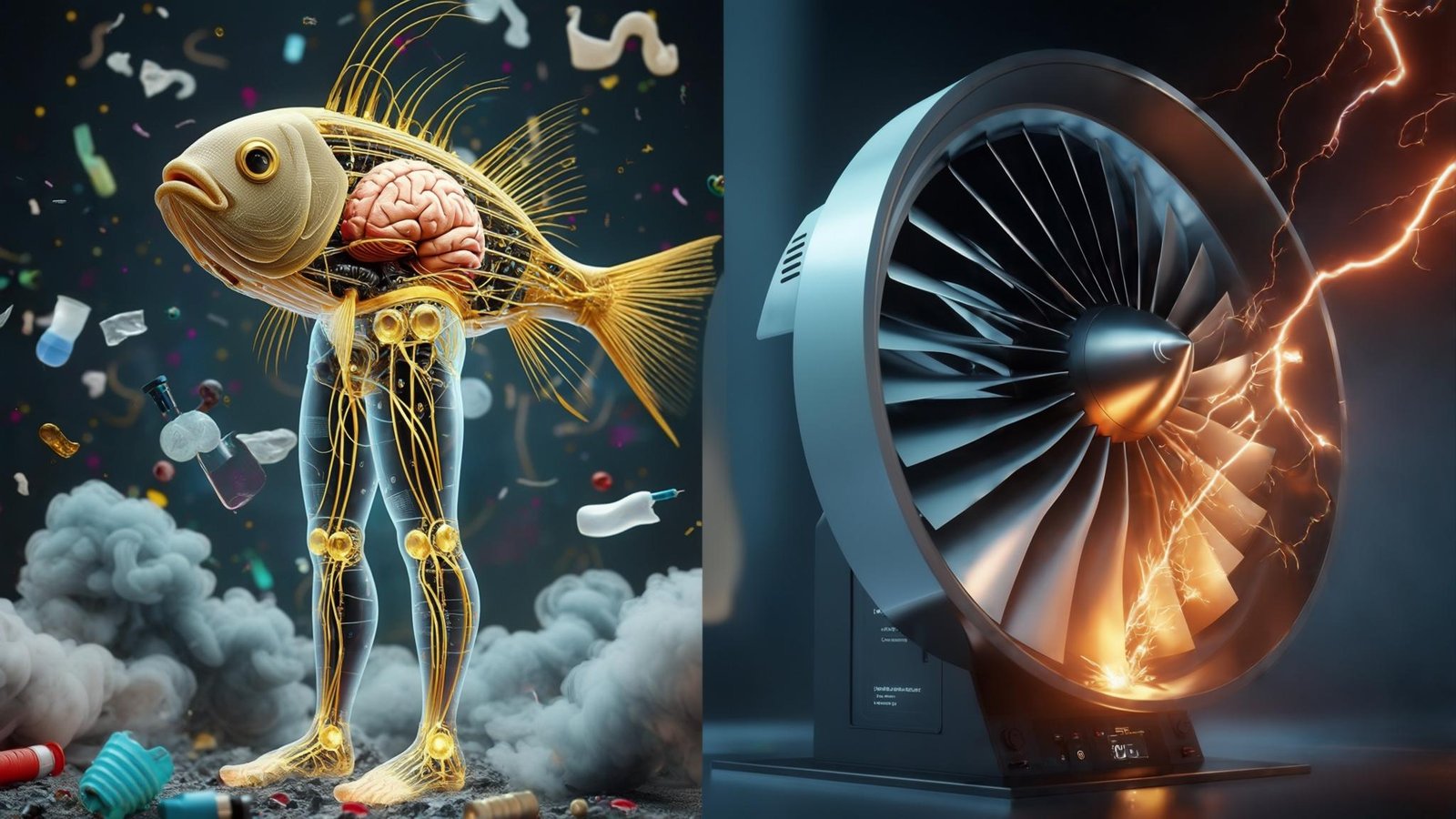
Strong leg muscles do more than support movement — they play a key role in protecting the brain. Research shows that leg strength is closely linked to better memory, sharper thinking, and a lower risk of dementia. A long-term twin study from King’s College London found that people with greater leg power maintained healthier brains over time, even when genetic factors were taken into account.

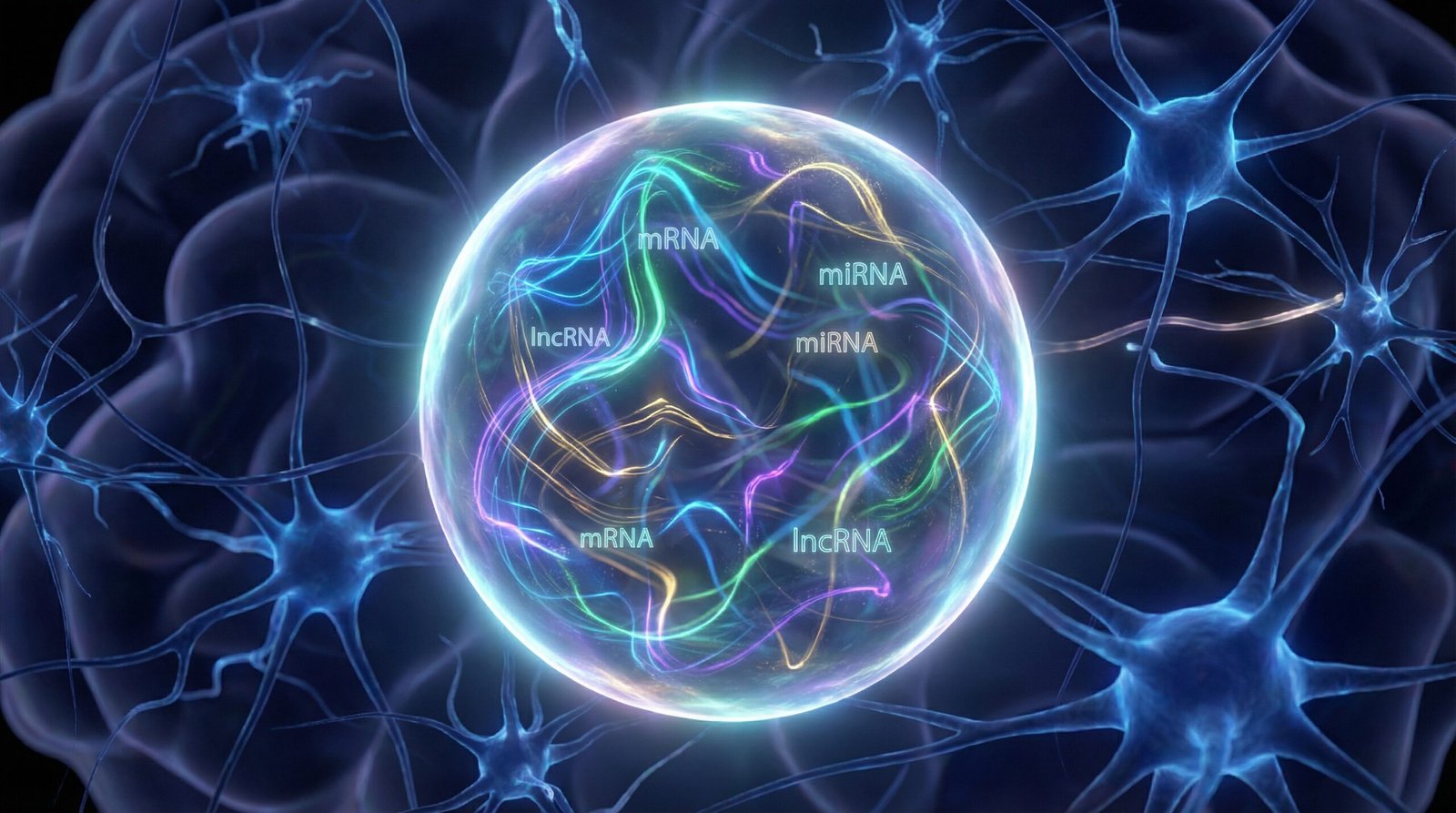
This connection works through what scientists call the muscle–brain axis. When large leg muscles are used, they release special signaling proteins known as myokines. These travel through the bloodstream to the brain and trigger the production of BDNF, a substance that helps neurons grow and survive. In simple terms, stronger legs send chemical signals that help keep the brain resilient and active as we age.
Efficient Microplastic Cleanup Using Synthetic Stomach Techs
Scientists in South Korea have created electricity using dust particles moving inside compressed air. The research was done at Chung-Ang University. The device uses a contactless design inspired by Nikola Tesla’s bladeless turbine. No parts touch each other. This removes friction and reduces energy loss.
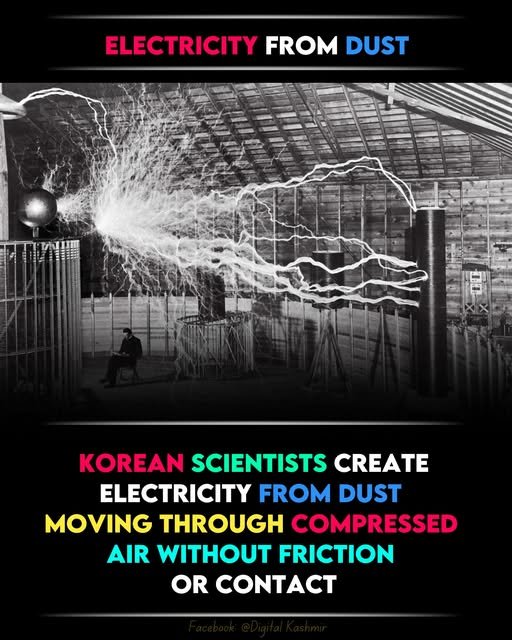
The team was led by Sangmin Lee from the School of Mechanical Engineering. Scientists captured electrostatic charges created by dust flow, called the particulate static effect. The study was published in Advanced Energy Materials. This breakthrough shows a new way to produce clean power with low maintenance systems.