
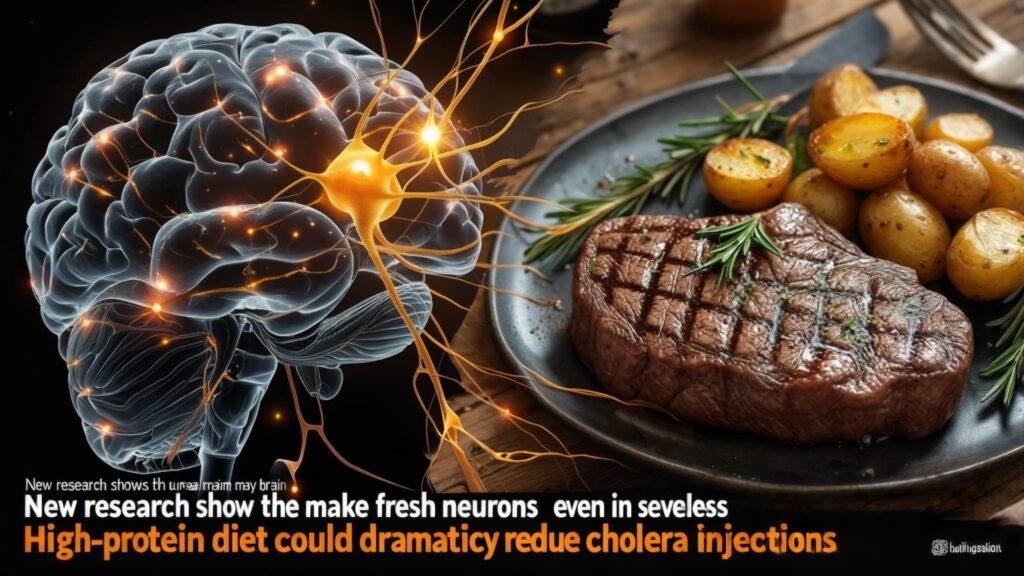
New research shows the human brain may make fresh neurons even in seventies | Adult Neurogenesis
Here’s some exciting news: a new study shows that the human brain doesn’t stop producing new nerve cells (neurons) once you hit adulthood. Researchers examined brain tissue samples from individuals aged from childhood up to 78 years old and found clear evidence of neural progenitor cells—those are the early-stage cells that can turn into neurons—active in the brain’s memory-related region, the hippocampus. The research firmed up what a few earlier studies had hinted at: even older adults have a capacity for neuron generation.
They used advanced methods including single-nucleus RNA sequencing and flow cytometry to pinpoint these cells and trace their activity from stem-cell stage through immature neurons. Notably the progenitor cells were located in the dentate gyrus part of the hippocampus, which is a key place for forming memories and adapting to change. The study also found that while many adults had these cells, there was substantial variation—some had many, others few or none—suggesting individual differences in how much this process persists.
What this means is that the adult human brain remains more plastic than we once thought. If you’ve been worried that brain repair or new learning capacity disappears with age, this gives reason for optimism. It opens doors for treatments that might stimulate new neuron growth in disorders like depression or Alzheimer’s type dementia. The study was led by researchers at the Karolinska Institutet and published in the journal Science.
Research Paper
DOI: 10.1126/science.adu9575
High-protein diets could slash cholera-causing bacteria in the gut by 100-fold.
A new study from the University of California, Riverside, suggests that what we eat could strongly influence how vulnerable we are to cholera, a life-threatening bacterial infection that causes severe diarrhea.
In experiments with mice, researchers compared diets high in protein, simple carbohydrates, or fat to see how well cholera bacteria could grow in the gut. High-fat diets made little difference, and carb-heavy diets only slightly reduced infection.
In contrast, diets rich in casein—the main protein in milk and cheese—and wheat gluten dramatically limited the bacteria’s ability to establish themselves, with up to a 100-fold reduction in colonization.
The team found that these specific proteins interfere with a needle-like structure on the surface of cholera bacteria, known as the type 6 secretion system, which the microbes use to inject toxins and outcompete other gut bacteria. By weakening this system, high-protein foods may give the body’s normal gut microbes a better chance to keep cholera in check. Although the findings are based on animal studies, researchers believe similar effects may occur in people and see protein-focused diets as a low-cost, low-risk way to help reduce the severity or likelihood of infection in regions where cholera remains common. They emphasize that dietary strategies do not carry the same risk of driving antibiotic resistance and could complement existing public health measures.
References
Liu, R., Zhang, Y., Ge, S., Cho, J. Y., Esteves, N. C., Zhu, J., & Hsiao, A. (2025). Diet modulates Vibrio cholerae colonization and competitive outcomes with the gut microbiota. Cell Host & Microbe.
University of California – Riverside. (2026, January 11). Scientists discover a high-protein diet could dramatically reduce cholera infections. SciTechDaily.
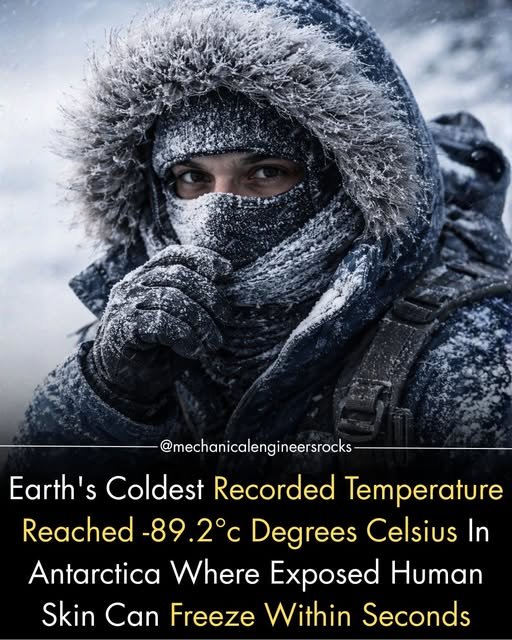
The coldest natural temperature ever recorded on Earth was an astonishing –89.2°C, measured at the Soviet-era Vostok Research Station in Antarctica. This record was officially documented on July 21, 1983, and it remains unmatched by any ground-based temperature measurement in human history.
At such extreme cold, exposed human skin can begin to freeze in seconds. Frostbite risk becomes immediate, and unprotected breathing can damage lung tissue due to the freezing of moisture in the airways. Metal becomes brittle, fuel thickens, and even advanced machinery struggles to operate, making survival dependent on highly specialized infrastructure and protocols.
Antarctica’s extreme temperatures result from a unique combination of factors: high elevation, dry air, long polar nights, and a thick ice sheet that reflects solar radiation back into space. During winter, some regions receive no sunlight for months, allowing heat to escape continuously into the atmosphere.
Despite these conditions, scientific stations operate year-round, contributing critical research on climate history, atmospheric science, and Earth’s magnetic field. Ice cores extracted from Antarctica preserve climate data going back hundreds of thousands of years, helping scientists understand past ice ages and future climate trends.
This temperature record is not just a curiosity—it represents the absolute limits of Earth’s natural environment. Antarctica remains a reminder of how extreme and diverse our planet can be, and why studying such environments is essential to understanding global climate systems and planetary science.
#ExtremeWeather #Antarctica #EarthRecords #ClimateScience #FrozenPlanet